
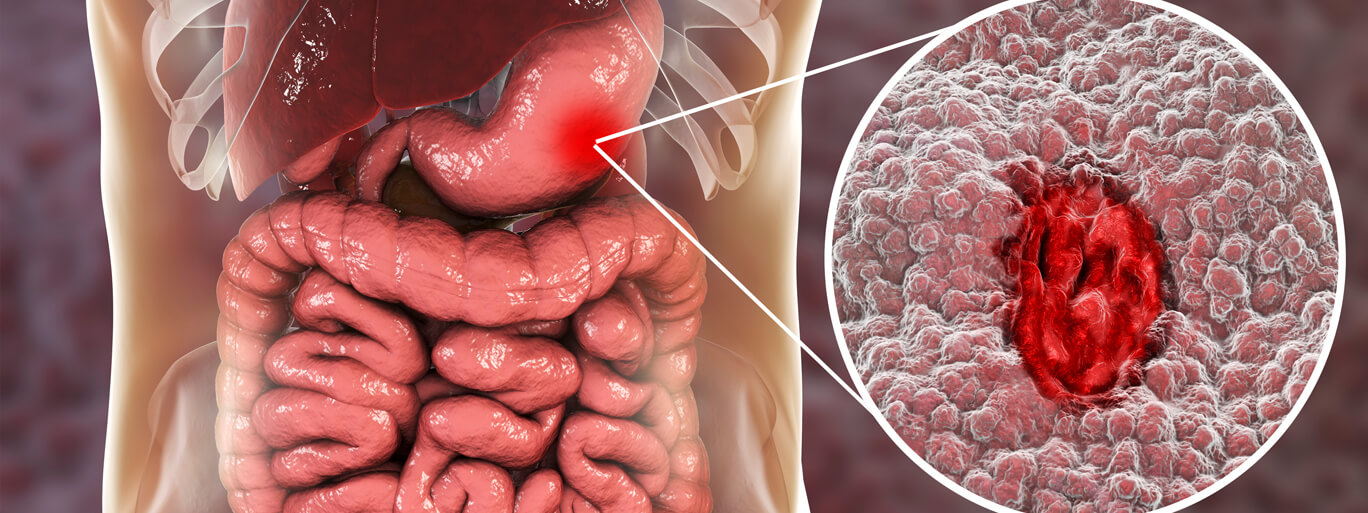
What is stomach cancer?
Gastric cancer (stomach cancer) develops when abnormal cells grow in the stomach lining and gradually invade deeper layers. It often begins quietly, and early symptoms can look like common acidity or gastritis—so people may ignore them. Some individuals search for lumps in the tummy because they feel fullness, swelling, or a new abdominal mass. While a clear lump is not always present in early disease, any new lump or persistent abdominal swelling should be checked by a doctor.
Types of stomach cancer
Stomach cancer is classified based on the type of cells involved:
- Adenocarcinoma – The most common type. It begins in the gland-forming cells of the stomach lining. When people search for gastric adenocarcinoma symptoms, they are usually referring to this type. Symptoms may start subtly and gradually become more noticeable.
- Lymphoma – A cancer that develops in the immune system tissues found in the stomach.
- Gastrointestinal Stromal Tumors (GISTs) – Rare tumors that develop from specialized nerve cells in the stomach wall.
- Neuroendocrine Tumors – Tumors that arise from hormone-producing cells in the stomach.
Stages of stomach cancer (Stage 0 to Stage IV)
Staging explains how deep the tumor has grown, whether lymph nodes are involved, and whether the cancer has spread to distant organs. This helps doctors plan the most appropriate treatment approach for each patient.
Stage 0
At Stage 0, abnormal cancer cells are limited to the innermost layer of the stomach lining. It has not grown deeper or spread to nearby lymph nodes.
Stage I (A & B)
Stage I is considered an early invasive stage. In Stage IA, cancer is in the inner layers and may have started to invade slightly deeper tissues. In Stage IB, the tumor may extend deeper into the stomach wall and/or involve a small number of nearby lymph nodes.
Stage II (A & B)
Stage II generally means the cancer has penetrated deeper into the stomach wall and/or involves more nearby lymph nodes than Stage I, but it has not spread to distant organs.
Stage III (A & B)
Stage III indicates more advanced local disease, with deeper invasion into the stomach wall and/or significant lymph node involvement. Treatment usually involves a combination approach, commonly chemotherapy along with surgery, and sometimes radiation based on tumor location and clinical planning.
Stage IV
Stage 4 stomach cancer means the cancer has spread beyond the stomach to distant organs such as the liver, lungs, or the lining of the abdomen (peritoneum). At this stage, treatment focuses on controlling disease, easing symptoms, and maintaining quality of life, while still aiming for the best possible outcome depending on the patient’s condition and tumor biology.
Signs and warning symptoms of stomach cancer
Stomach cancer symptoms can overlap with common digestive problems, which is why persistence and progression matter. Warning signs may include indigestion or heartburn that doesn’t improve, ongoing upper abdominal discomfort or pain, nausea, frequent bloating after meals, feeling full after eating small portions, reduced appetite, unexplained weight loss, vomiting, and fatigue from anemia. Some people may notice black stools, which can suggest bleeding, or difficulty swallowing if the tumor is near the upper stomach. A clear abdominal mass is more common in advanced disease, but even the sensation of fullness or swelling—often searched as lumps in tummy—should not be ignored if it persists.
Early signs of stomach cancer in males
In men, early symptoms are often dismissed as stress, irregular meals, acidity, or gastritis. Persistent indigestion, reduced appetite, early fullness after meals, unexplained weight loss, ongoing upper abdominal discomfort, and fatigue are common early concerns. In some cases, slow internal bleeding can lead to anemia and weakness, and black stools may be noticed. If these symptoms continue for weeks or keep returning, it is important to get evaluated.
Early signs of stomach cancer in females
Searches for stomach cancer symptoms are common because women may experience symptoms that can be mistakenly attributed to lifestyle changes, hormonal shifts, constipation, or “normal bloating.” Early signs may include frequent bloating or fullness after small meals, persistent heartburn or indigestion that doesn’t respond to usual treatment, nausea, appetite changes, fatigue (especially if anemia develops), and unintentional weight loss. If symptoms persist, worsen, or interfere with daily life, consulting a doctor is the safest step.
Causes of stomach cancer
People often search ca stomach causes, and while there isn’t always a single identifiable cause, several risk factors are well known. A major contributor is H. pylori infection, which can lead to chronic inflammation of the stomach lining in some people. Other factors include long-standing gastritis, smoking, heavy alcohol use, diets high in smoked or salted foods, low intake of fruits and vegetables, obesity, and family history or genetic predisposition. A doctor can assess risk and advise whether testing for H. pylori or other evaluations are needed.
Complications
- Stomach cancer can cause complications as it progresses. It may bleed, leading to anemia, weakness, dizziness, or black stools.
- It can also block the passage of food, resulting in repeated vomiting, dehydration, and poor intake.
- Over time, this may cause significant weight loss and malnutrition.
- Advanced disease may lead to fluid buildup in the abdomen (ascites), and spread to other organs can create symptoms related to the affected area, such as jaundice if the liver is involved.
Diagnosis
If stomach cancer is suspected, diagnosis usually involves a detailed clinical evaluation followed by an upper GI endoscopy. Endoscopy allows the doctor to directly view the stomach lining and take a biopsy, which confirms the diagnosis. Imaging tests like a CT scan help evaluate the extent of disease and plan treatment by assessing lymph nodes and possible spread. Blood tests may be used to check anemia and overall fitness for treatment, but confirmation typically depends on endoscopy with biopsy.
Stomach cancer treatment
Treatment depends on the stage, tumor location, and overall health. When the cancer is localized and removable, surgery is often the main treatment and can be curative, especially when detected early. For locally advanced cancers, treatment commonly includes chemotherapy before surgery to shrink or control the tumor and improve surgical outcomes, followed by additional therapy depending on the final report. In stage 4 stomach cancer, treatment is usually systemic, such as chemotherapy, and in selected patients, targeted therapy or immunotherapy based on tumor testing. Supportive and palliative care also play an important role in relieving symptoms, improving nutrition, and maintaining quality of life.
Prevention
Not every case can be prevented, but risk can be reduced with a healthier lifestyle. Treating H. pylori when advised, avoiding smoking, maintaining a healthy weight, reducing smoked and heavily salted foods, and improving dietary balance with fruits and vegetables may help. Most importantly, persistent symptoms should not be repeatedly self-treated for months—early evaluation can make a meaningful difference.
When to see a doctor
You should consult a doctor if indigestion, heartburn, bloating, or upper abdominal discomfort persists for more than two to three weeks, keeps returning, or worsens over time. Urgent evaluation is especially important if you notice unexplained weight loss, persistent vomiting, black stools, difficulty swallowing, symptoms of anemia, or any new or persistent lumps in the tummy.
Conclusion
Gastric cancer can start with subtle symptoms that mimic routine digestive issues, which is why awareness matters. Understanding common warning signs, knowing potential ca stomach causes like H. pylori infection and lifestyle risks, and getting timely testing—especially endoscopy with biopsy—can support earlier detection. If you are worried about symptoms or signs that suggest stage 4 stomach cancer, do not delay evaluation. A specialist can guide the right diagnostic and treatment path based on your stage and health.
Frequently Asked Questions
Is gastric cancer curable?
Yes, gastric cancer can be curable when detected early and treated appropriately, often with surgery and supportive therapies as needed. In advanced stages, cure becomes more difficult, but treatments can still help control the disease and improve quality of life.
How fast can cancer in the stomach spread?
There is no fixed timeline. The speed depends on tumor biology, cancer type, stage at diagnosis, and the person’s overall health. That is why persistent symptoms should be evaluated rather than waiting for them to “settle.”
What is one of the first symptoms of stomach cancer?
One common early symptom is feeling full quickly after eating small amounts (early satiety). Persistent indigestion, ongoing bloating, appetite changes, and unexplained fatigue can also be early warning signs.
How painful is stomach cancer?
Pain varies from person to person. Some people have mild discomfort early on, while others experience more significant pain in later stages due to deeper invasion, blockage, or spread. Any persistent or worsening abdominal pain should be evaluated.
Can a CT scan detect stomach cancer?
A CT scan can show suspicious stomach wall thickening and can help in staging to check spread. However, confirmation of stomach cancer typically requires an endoscopy with biopsy.